
How Carpet Professional Cleaning Helps Offices Stay Cleaner and Last Longer
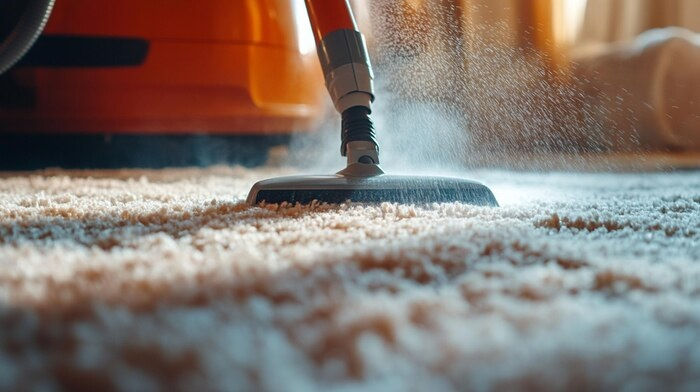
Office carpet handles traffic. Shoes bring in soil, moisture, dust, and outdoor debris. Routine vacuuming helps, but it cannot address every layer of buildup.
That is where carpet professional cleaning becomes valuable. It reaches deeper soil and supports a cleaner workplace. It can also help carpet maintain a better appearance over time.
Why Office Carpet Needs More Than Routine Vacuuming
Vacuuming removes loose debris from the surface. It is still an important part of daily maintenance. However, traffic pushes fine soil deeper into carpet fibers.
Entryways, hallways, conference rooms, and shared spaces usually show wear first. These areas collect more soil because they receive repeated foot traffic.
Professional carpet cleaning targets that embedded buildup. It gives facility managers a deeper maintenance option when routine care is no longer enough.
Soil Does More Than Make Carpet Look Dirty
Not all carpet soil is immediately visible. Fine particles can settle between fibers and remain there. Repeated traffic can then grind that material into the carpet.
Over time, the surface may look dull or uneven. High-use paths can become noticeably darker than nearby areas.
Professional carpet cleaning helps remove soil before it continues accumulating. This can improve appearance and support a more consistent floor-care program.
Cleaning Frequency Should Match Actual Use
There is no useful cleaning schedule for every office. A quiet professional suite differs from a busy public-facing facility.
Facility managers should consider traffic, weather exposure, occupancy, and carpet color. Buildings with frequent visitors may require more attention.
Deeper cleaning should follow actual conditions, not an arbitrary calendar. Periodic inspections can help determine when deeper service is needed.
This approach also prevents unnecessary cleaning. It focuses resources where they create the most value.
The Right Method Depends on the Carpet
A professional service should not treat every carpet the same way. Fiber type, construction, soil level, and drying needs can affect the process.
Some areas may need hot-water extraction. Others may benefit from lower-moisture methods. Spot treatment may be appropriate for isolated spills or stains.
A qualified provider should explain why a method fits the carpet. That explanation helps facility managers understand expected results and drying requirements.
Good carpet professional cleaning starts with evaluation, not guesswork. This evaluation also helps identify weak seams, worn paths, and areas needing special care.
Preparation Improves the Service
Clear access helps technicians work efficiently. Facility teams should identify locked rooms, sensitive areas, and movable items before service.
Loose objects should be removed when practical. Staff should also know which areas will be unavailable during cleaning.
Professional carpet cleaning works best when the cleaning team understands the building schedule. Good coordination can reduce delays and unnecessary interruptions.
Facility managers should also discuss furniture movement before service. Responsibilities should be clear before technicians arrive.
Spot Cleaning and Deep Cleaning Serve Different Purposes
A small spill may need immediate spot treatment. That does not mean the entire carpet requires deep cleaning.
Likewise, repeated spot cleaning cannot replace periodic deeper maintenance. Different problems require different responses.
Professional carpet cleaning creates a broader reset for heavily used areas. Spot care handles isolated incidents between scheduled services.
A practical maintenance plan uses both approaches when appropriate. This balance keeps routine issues from becoming larger restoration problems.
What Facility Managers Should Expect From a Provider
A dependable provider should inspect the carpet and discuss traffic patterns. The team should explain methods, access needs, and expected drying conditions.
The scope should also identify which areas are included. Facility managers should understand any limitations before work begins.
With commercial carpet care, clear communication matters as much as the equipment. A strong process should be easy to understand and manage.
When comparing carpet professional cleaning providers, ask about inspection procedures, scheduling, and follow-up communication. These details often reveal service quality before work begins.
Cleaner Carpet Supports Better Facility Presentation
Carpet covers a large visual area in many offices. When it looks neglected, the entire space can feel poorly maintained.
Carpet cleaning helps restore a more uniform appearance. It also supports a structured maintenance plan for high-traffic spaces.
Most companies provide carpet professional cleaning for commercial properties. Their service focuses on practical scheduling, careful preparation, and dependable floor care.
For offices needing professional carpet cleaning, a planned service can improve appearance without disrupting daily operations. A clear maintenance schedule also helps protect the carpet between professional visits.


Comments